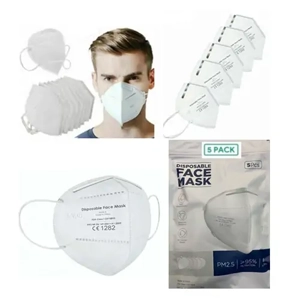
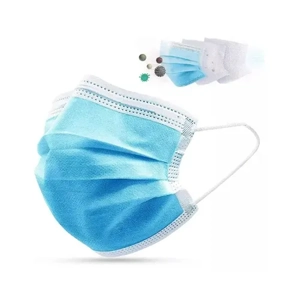

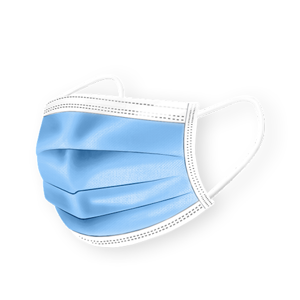

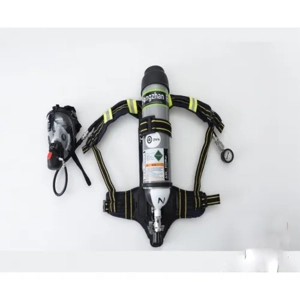


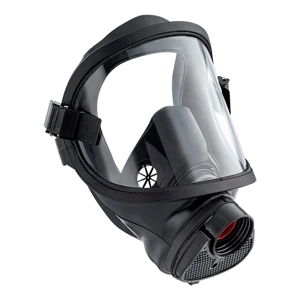
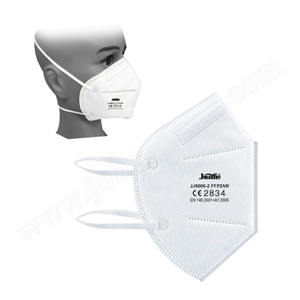
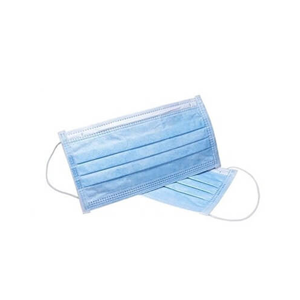

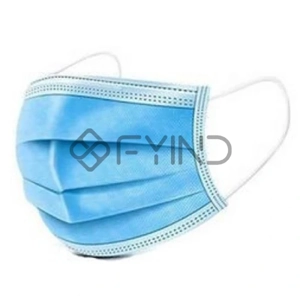

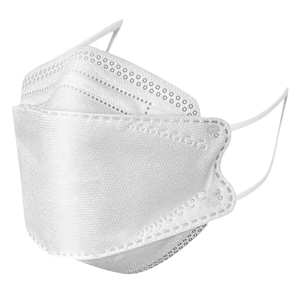

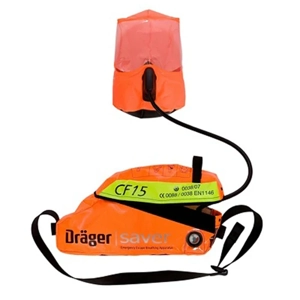
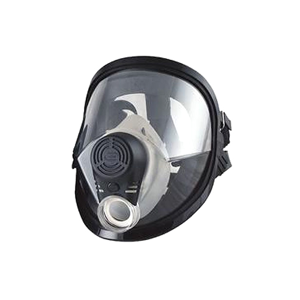
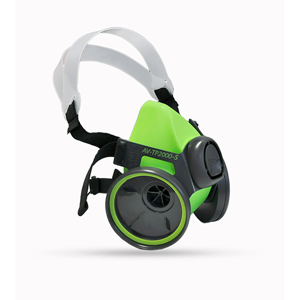

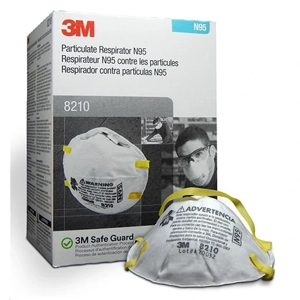
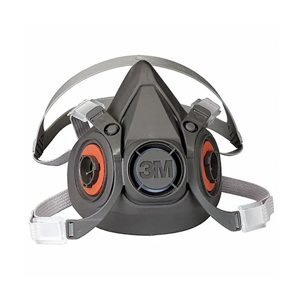
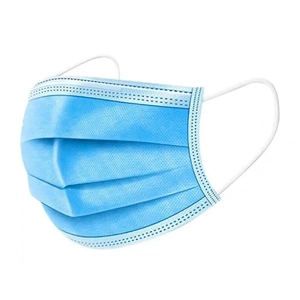
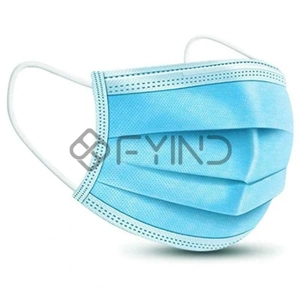
Respiratory Protective Equipment is an equipment created to protect the individuals from inhaling harmful substances present in air. The primary purpose is avoiding inhalation of particles, gases, vapours, or airborne contaminants that lead to health risks. It plays an important role in environment such as workplaces where exposure to chemicals, dust and pollutants is an huge concern.
Some of the importance of respiratory protection are;
Preventing Respiratory Diseases: Respiratory protection plays a crucial role in decreasing the chances of developing respiratory diseases due to exposure to harmful airborne contaminants.
Occupational Safety: Workers may face respiratory hazards such as fumes, dust or toxic substances at certain workplaces. The application of respiratory protection is essential to reduce these risks and ensure the safety of workers.
The primary goal of these regulations is to protect workers from inhaling hazardous substances and maintain a healthy and safe working atmosphere.
Selection of RPE: Regulations typically provide guidelines for selecting a suitable type of respiratory protection based on the specific hazards present in the workplace.
Fit Testing: Many regulations necessitate fit testing procedures to ensure a proper seal of respirators to the wearer's face, reducing the risk of leaks. Fit testing is commonly conducted during the initial RPE selection and thereafter to account for changes in facial features or equipment wear.
Training and Guidance: Regulations often require the implementation of training programs to ensure users understand the correct use, maintenance, and inspection of respiratory protection.
Workplace Hazards: Employees may be exposed to contaminants such as dust, fumes, gases, vapours, or biological agents at the workplace. Hence, the adoption of respiratory protection is essential.
Airborne Diseases: While working in settings where there is a potential for exposure to infectious agents, individuals may be forced to wear respiratory protective equipment. This is especially relevant in healthcare settings, laboratories, or during public health emergencies.
Chemical Spills or Releases: During the time of chemical spills or releases, the use of respiratory protection becomes crucial to prevent the inhalation of toxic substances.
Choose the Right Type: Pick the correct respiratory protection equipment (RPE) based on the dangers in your surroundings. Think about things like what might be in the air, how much there is, and how long you'll be exposed.
Make Sure It Fits Well: Test to make sure the RPE forms a tight seal on your face. This helps prevent leaks. Follow the right steps for putting it on and taking it off to keep a good seal.
Get Trained: Learn how to use, take care of, and check your respiratory protection. Know how to do a user seal check, recognize if something's wrong with the equipment, and follow the rules.
Keep It in Good Shape: Check and take care of your respiratory protection gear regularly. Look at the seals, straps, valves, and filters. If something is damaged or old, replace it.

 0
0