Face Shield Suppliers in UAE: Polycarbonate, Welding & Chemical Splash Visors
A face shield that fogs up mid-shift, scratches within a week, or doesn't actually meet an impact rating isn't protective equipment - it's a false sense of safety. Getting the right face shield means matching the material, the certification, and the mounting system to the actual hazard in front of your workers, whether that's grinding sparks, chemical splash, or welding arc flash.
What Is a Face Shield and How Does It Protect Against Workplace Hazards?
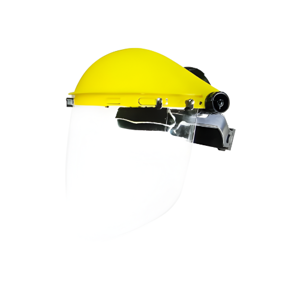
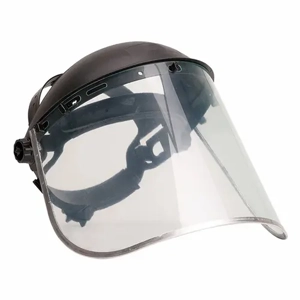
A face shield is a clear protective visor worn in front of the face, mounted on headgear or attached to a hard hat or welding helmet, that shields the eyes and full face from flying particles, chemical splash, sparks, and in welding applications, intense light and radiant heat. Unlike safety glasses, which only protect the eyes, a face shield covers the entire face - forehead to chin.
A face shield is a protective visor worn in front of the face, mounted on headgear or attached to a hard hat or welding helmet. It helps protect the face from hazards such as flying particles, chemical splashes, sparks and, when specifically designed for welding, optical radiation and radiant heat. Unlike safety glasses, which primarily protect the eyes, a face shield provides broader facial coverage.
In plain terms: a face shield adds protection for the face, while safety glasses or goggles provide dedicated eye protection. For impact, grinding and similar hazards, the two may need to be worn together rather than treating a face shield as a replacement for eye protection.
Core Capabilities a Face Shield Supplier Should Offer
- Genuinely certified shields - EN 166 (Europe) or ANSI Z87.1 (US) impact and optical ratings, not just a sticker claiming "safety grade."
- Multiple material options - polycarbonate for impact resistance, PETG or acetate for chemical resistance, mesh for ventilation in specific trades.
- Compatible mounting systems - ratchet headgear, hard hat browguard mounts, and welding helmet-specific visors.
- Branded, traceable stock - known names like Honeywell, 3M or North, not unmarked shields with no manufacturer behind them.
- Welding-specific shade options - auto-darkening or fixed-shade welding visors matched to the actual welding process used.
Who Needs Face Shields in the UAE?
- Welders and fabrication workshops needing arc, spark and UV/IR radiation protection
- Construction and grinding/cutting crews exposed to flying debris and dust
- Chemical handling, laboratory and industrial cleaning teams facing splash hazards
- Oil & gas and petrochemical site workers in high-hazard zones
- Food processing and medical facilities needing splash and droplet protection
- Maintenance and MRO teams doing a mix of grinding, cleaning and minor welding tasks
Quick answer: If your current face shield fogs up, scratches easily, or you're not sure what standard it's certified to, it's worth replacing before an incident forces the question - a genuine EN 166 or ANSI Z87.1-rated shield costs little more than an uncertified one.
Common Face Shield Problems UAE Buyers Face and Its Solution
- Fogging mid-shift in UAE heat and humidity - a plain, uncoated visor fogs fast when outdoor heat meets a sweating face underneath, forcing workers to lift the shield (and lose protection) just to see.
- Scratched visors cutting visibility within weeks - cheap, unhardened polycarbonate scratches quickly in dusty site conditions, and a scratched shield is both harder to see through and weaker at the scratch point.
- Wrong mount for the existing hard hat or welding helmet - a shield bought without checking the mounting slot or helmet brand compatibility simply won't attach, wasting the purchase.
- Inadequate protection for the actual hazard - a basic splash shield used for grinding or welding work offers far less impact or radiant-heat protection than the job actually needs.
- Uncertified "safety-rated" shields - shields sold as protective with no genuine EN 166 or ANSI Z87.1 backing, which may not actually stop a real impact or splash event.
None of these are the worker's fault - they're sourcing problems. A supplier who stocks genuinely certified, anti-fog, correctly matched shields, and who can tell you which mount fits your existing helmet before you order, removes almost all of this risk.
Types of Face Shields: Full-Face Visor vs Browguard vs Welding Face Shield
| Type |
Coverage |
Best For |
| Full-Face Visor (Ratchet Headgear) |
Forehead to below chin, wraps around the sides |
General industrial, grinding, cutting, chemical handling |
| Browguard / Cap-Mounted Visor |
Similar coverage, attaches directly to a hard hat brim |
Construction and site work already requiring a hard hat |
| Welding Face Shield (Fixed Shade) |
Full face, fixed dark lens shade |
Consistent, single-process welding where shade doesn't need to change |
| Auto-Darkening Welding Helmet/Visor |
Full face, lens darkens automatically on arc strike |
Multi-process welders, or anyone needing clear vision before and after the arc strikes |
| Mesh Face Shield |
Full face, metal or polymer mesh instead of solid visor |
Brush-cutting, forestry and trades needing airflow and no fogging, where chemical/liquid splash isn't a concern |
Face Shield Types by Application: Medical, Welding, Electrical Safety & Reusable vs Disposable
Beyond the general industrial shield, four application-specific categories come up constantly in UAE sourcing enquiries - each built around a completely different hazard, so a shield designed for one offers little real protection in another.
Medical Face Shields: Droplet and Splash Protection for Clinical Use
Medical face shields are built around fluid and droplet protection rather than impact resistance - used in clinics, hospitals, labs and dental practices to protect against blood splash, bodily fluids and airborne droplets during patient care and procedures.
- Typically lightweight PETG or acetate for clarity and comfort during long wear, rather than heavy-duty polycarbonate meant for impact
- Usually paired with a surgical mask or respirator underneath - the shield protects the eyes and face from splash, not the airway
- Available in both reusable (wipeable, disinfectable) and single-use disposable formats, chosen based on clinical infection-control protocol
- Foam-lined forehead bands are common for extended comfort during long clinical shifts
Welding Face Shields: Arc, UV/IR and Spatter Protection
Covered in more depth above, but worth restating here: a welding face shield is a filtering device first and an impact shield second. The dark lens (fixed-shade or auto-darkening) blocks the intense visible light, UV and infrared radiation an electric arc produces - exposure without it causes "arc eye," a painful corneal burn, often within minutes of unprotected viewing.
- Fixed-shade shields suit consistent, single-process welding; auto-darkening suits multi-process work or frequent start-stop welding
- Must be matched to the specific welding process and amperage - the wrong shade either leaves eyes under-protected or makes the weld pool too dark to see properly
- Usually integrated into a dedicated welding helmet shell rather than a standalone clip-on visor, for full head and neck coverage from spatter
Electrical Safety Face Shields: Arc Flash Protection
A completely different hazard again: arc flash face shields protect electrical workers from the intense heat, light and pressure wave of an electrical arc flash event - not welding, and not general impact. This is specialist PPE with its own rating system.
- Rated by Arc Rating (cal/cm²) - the amount of incident energy the shield can withstand before transferring enough heat to cause a burn, tested and certified separately from standard impact or splash shields
- Typically built into a full arc flash hood or suit system, not sold as a simple clip-on visor, since arc flash protection also requires covering the neck and surrounding head area
- Must be matched to the specific arc flash hazard category of the electrical work being performed - this is determined by an arc flash risk assessment, not guessed at purchase time
- Never substitute a standard impact or welding shield for electrical arc flash work - the hazard, and the certification required, are entirely different
Reusable and Washable Face Shields vs Disposable
Most industrial and welding face shields in the UAE market are reusable by design - the question is less "reusable or not" and more "how it's cleaned and how long it realistically lasts."
- Reusable/washable shields - the standard for industrial, welding and most medical settings; wipe or wash with mild soap and water (never solvents, which can craze polycarbonate), air dry, and inspect for scratches or clouding before each use.
- Disposable shields - common in medical, food handling and short-duration or single-visit use, where cross-contamination risk between uses outweighs the cost of a reusable unit.
- Replaceable visor systems - the practical middle ground: a reusable headgear frame with a visor that's swapped out once scratched or clouded, covered in more detail in the Replacement and Maintenance section below.
Buyer tip: If you're ordering for a medical or food-handling setting, confirm explicitly whether the shield is intended as reusable or single-use - using a disposable shield repeatedly, or disinfecting a shield not designed for it, can compromise both the visor and your infection-control protocol.
Face Shield Materials Explained: Polycarbonate vs PETG vs Acetate vs Mesh
The visor material decides what the shield can actually stop - and it's the detail most often skipped when buyers compare shields on price alone.
- Polycarbonate (PC) - the standard for impact resistance; commonly selected where impact resistance is important, including many industrial face-shield applications.
- PETG (Polyethylene Terephthalate Glycol) - better chemical resistance than polycarbonate against many solvents and acids, though slightly less impact-resistant; often the better choice for lab and chemical-handling work.
- Acetate - offers the best optical clarity and good chemical resistance, but is more brittle and less impact-resistant than polycarbonate - suited to light-duty chemical splash protection rather than impact-heavy trades.
- Mesh (Metal or Nylon) - no fogging and full airflow, but offers no protection against liquid splash or fine dust - a trade-off, not an upgrade, and the wrong choice for chemical or welding work.
Buyer tip: If your team is constantly complaining about fogging, the fix is usually an anti-fog coated polycarbonate shield, not switching to mesh - mesh solves fogging by removing protection entirely, which is rarely the right trade-off for impact or splash hazards.
Face Shield Thickness and Visor Size: What the Numbers Mean
Two face shields can look almost identical but have different specifications for thickness, material, coverage and impact performance. These details matter when selecting a visor for grinding, cutting, chemical splash, welding or other workplace hazards. However, thickness alone should never be treated as proof of protection. Buyers should check the visor material, applicable safety standard, impact classification, coverage and manufacturer's specifications together.
| Visor Thickness |
What It Tells the Buyer |
What to Verify |
| 0.8 mm |
A commonly available specification for lightweight industrial face-shield visors.
|
Material, standard, impact classification and intended application.
|
| 1.0 mm |
A common specification across industrial polycarbonate and other face-shield visor models.
|
Applicable EN/ANSI standard, impact rating, material and coverage.
|
| 1.5 mm |
Available in some thicker face-shield models where the manufacturer specifies increased visor thickness.
|
Certified performance, impact classification, weight and suitability for the task.
|
| Other thicknesses |
Thickness can vary by manufacturer, visor material, design and application.
|
Always check the manufacturer's technical specification rather than selecting by thickness alone.
|
For example, industrial face-shield manufacturers list 0.8 mm, 1.0 mm and 1.5 mm polycarbonate visor options, with the applicable standards and impact performance varying by model. Some 1.0 mm and 1.5 mm models are certified to EN166 and ANSI Z87.1, demonstrating why visor thickness should be considered alongside certification and tested performance, rather than used as a standalone measure of protection.
Visor size and coverage matter too. A larger visor can provide broader facial coverage and field of vision, but the actual dimensions vary by model. For example, commonly specified industrial visors are available around 8 × 15½ inches (20 × 39 cm), while other models use shorter or narrower formats. Buyers should check the actual visor dimensions, chin coverage, side coverage and compatibility with the headgear or face-shield bracket before ordering.
Welding shields require a different selection approach. For welding applications, do not select a visor simply because it is thicker. Check the required filter shade, optical properties, applicable welding/eye-protection standard and impact protection for the specific welding process. A clear face shield and a welding-filter visor are not interchangeable simply because their physical thickness is similar.
Buyer tip: For grinding, cutting, chipping or other impact-risk work, don't choose a face shield based only on thickness or price. Ask the supplier for the visor material, thickness, applicable standard, impact classification, dimensions and compatible headgear. For welding or electrical applications, also confirm the specific filter or hazard rating required for the job.
Face Shield Standards and Certifications: EN 166, EN 170 and ANSI Z87.1
A face shield is only as protective as the standard it's genuinely certified against - a marking on the shield itself, not just a claim on the packaging.
- EN 166 - a European standard covering personal eye protection specifications, including requirements relevant to protective eyewear and face-protection equipment.
- EN 170 - covers ultraviolet filters and should not be treated as the general welding-filter standard.
- ANSI/ISEA Z87.1 - the US standard covering occupational and educational eye and face protection, including requirements for selection, testing and marking.
- Welding filter requirements - welding filter selection depends on the welding process, current and other task variables. Buyers should verify the applicable filter/shade requirements for the specific welding operation rather than selecting a shade number generically.
Buyer tip: Ask for the specific EN or ANSI marking printed on the shield itself, not just on the supplier's product listing. A genuinely certified shield carries the marking moulded or printed directly onto the visor or frame.
Verified Face Shield Suppliers in UAE
Macher International Trading LLC - Honeywell Popweld Nova 812614 Face Shield Supplier in Dubai
Macher International Trading LLC
Dubai, UAE
Phone: +971 800 622437
Main Categories: Safety Shoe,Face Shield, Safety Helmet
- Macher International Trading LLC lists the Honeywell Popweld Nova 812614 as a face-shield product, with Honeywell shown as the brand on its FYIND product listing.
- The supplier also lists the Welding Helmet HW200 ADF, providing an auto-darkening welding helmet option for buyers looking for welding-specific eye and face protection.
- Its PPE range also includes the North Silicone Full Facepiece Mask, alongside other safety products.
- A suitable supplier to contact in Dubai when sourcing Honeywell-branded face shields and welding PPE, subject to current stock and product availability.
Unique Safety General Trading LLC - Face Shield Visors, 15.5-Inch Face Shields & Welding Glass, Dubai
Unique Safety General Trading LLC
Dubai, UAE
Phone: +971 56 765 9057
Main Categories: Safety Glass, Reflective Tape, Face Shield
- Unique Safety General Trading LLC lists Face Shield as a main product category and supplies multiple face-protection products in Dubai.
- Its Face Shield Visor is listed with a 15.5-inch size and 0.8 mm thickness, giving buyers a specific visor specification to check when requesting quotations.
- The supplier also lists a Face Shield 15.5 × 1 mm, specified as 15.5 inches in size and 1 mm in thickness, providing another face-shield option for procurement.
- For welding applications, the supplier also lists Black Welding Glass Shade 11 and Welding Clear Glass, allowing buyers to enquire about welding filter glass alongside face-protection equipment.
- The range also includes a Yellow Browguard, providing a separate browguard/headgear option for face-shield applications.
- A practical supplier to contact in Dubai when sourcing face shield visors, browguards and welding filter glass, subject to current stock and product availability.
Johnson Trading LLC Sole Proprietorship - JSAFE FC48 Face Shield Visor with Headgear & Visor Bracket, Ajman
Johnson Trading LLC Sole Proprietorship
Ajman, UAE
Phone: +971 6 539 9229
Main Categories: Work Wear Coverall, Safety Shoe, Safety Glass, Face Shield
- Johnson Trading LLC Sole Proprietorship lists the JSAFE FC48 Face Shield Visor, making it a confirmed face-shield supplier rather than only an adjacent PPE supplier.
- The FC48 Visor is a clear 1 mm thick face shield with dimensions of 8 × 15½ inches. The product is listed under the JSAFE brand.
- The FC48 product information specifies a polycarbonate visor with an aluminium border and lists compliance with CAN/CSA Z94.3, ANSI Z87+ and CE EN166.
- Johnson Trading also lists the compatible JSAFE H 85A 56 Headgear, featuring a yellow polypropylene shell, and the JSAFE Visor Bracket H 86 56 made from ABS.
- The visor bracket is listed with ANSI Z87 and CE EN166 standards, giving buyers the option to enquire about the visor and mounting components together.
- A strong supplier to contact in Ajman for JSAFE face-shield visors and related headgear and mounting components, subject to current stock and availability.
Al Khidma Building Material Tr. LLC (KBM Tools) - Desert Eagle Face Shields & Welding Helmets, Sharjah
Al Khidma Building Material Tr. LLC (KBM Tools)
Sharjah, UAE
Phone: +971 6 536 1999
Main Categories: Air Compressor, Pressure Washer, Welding Machine
- KBM Tools lists DESERT EAGLE face-shield products, including the TH-M016 and TH-M022 models, making it a confirmed supplier for welding face protection.
- The Desert Eagle TH-M016 Face Shield is listed in black with a weight of 380 g and a 108 × 50 mm glass size.
- The Desert Eagle TH-M022 Face Shield is listed in black with a weight of 400 g.
- KBM Tools' product information describes the Desert Eagle face shields with features including a free-size design, lift-front lens holder, replaceable welding glass and a lightweight design for welding tasks.
- The supplier also carries Desert Eagle welding equipment, giving buyers an option to source welding-related equipment and face protection from the same Sharjah-based supplier.
- A suitable supplier to contact in Sharjah for Desert Eagle welding face shields and related welding PPE, subject to current stock and availability.
Aspire International Building Materials Trading LLC - Face Shields, FC45 Visor & Welding Masks, Abu Dhabi
Aspire International Building Materials Trading LLC
Abu Dhabi, UAE
Phone: +971 2 557 5817
Main Categories: Lockout Device, Safety Glove, Chemical Resistant Glove
- Aspire International Building Materials Trading LLC lists dedicated face-protection products, including the STEELPRO Face Shield for Mechanical Hazard 2188 PF on FYIND.
- Its product range also includes the Face Shield Visor FC45. Aspire's product specification lists a clear polycarbonate visor with 0.8 mm thickness and dimensions of 8 × 15½ inches (20 × 39 cm).
- The FC45 specification lists EN166, ANSI Z87 and Z94.3 standards, providing buyers with specific compliance information to verify when sourcing the visor.
- Aspire also lists a separate Face Shield Visor FC48AF, giving buyers another visor model to enquire about depending on the required application and specification.
- For welding applications, the supplier also lists the Welding Mask 635P Over-the-Head, extending its face-protection range beyond standard clear visors.
- A suitable Abu Dhabi supplier to contact for STEELPRO face shields, polycarbonate face-shield visors and welding face protection, subject to current stock and availability.
Ehaan General Trading Company - Face Shield Supplier in Ajman
Ehaan General Trading Company
Ajman, UAE
Phone: +971 54 491 5440
Product: Face Shield
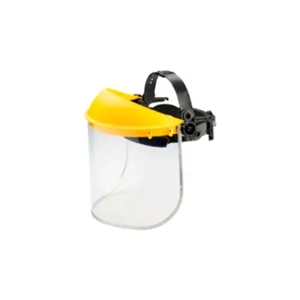
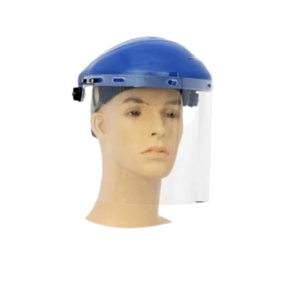
- Face Protection: Ehaan lists a dedicated face shield designed to provide full-face coverage against flying debris, splashes, chemicals and other workplace hazards.
- Design: The supplier describes the face shield as lightweight and comfortable, with an adjustable headband and clear visibility.
- Applications: The published product information mentions use in manufacturing, healthcare, construction and laboratory environments.
- Related PPE: Ehaan also lists welding helmets, making the supplier relevant for buyers sourcing face and head protection products together.
- Procurement Note: Confirm the available shield configuration, material, dimensions, applicable safety standards and current stock with Ehaan before placing a bulk order.
Best For: Buyers in Ajman looking for general-purpose face protection and related welding PPE from the same supplier.
Which Face Shield Supplier Fits Your Need? Quick Match Table
| Your Need |
Best Match |
Location |
| Branded welding face shield (Honeywell) with auto-darkening helmet |
Macher International Trading LLC |
Dubai |
| Face shield plus matching welding filter lens/shade glass |
Unique Safety General Trading LLC |
Dubai |
| JSAFE FC48 visor with compatible headgear and bracket |
Johnson Trading LLC Sole Proprietorship |
Ajman |
| Desert Eagle welding face shields with welding equipment |
Al Khidma Building Material Tr. LLC (KBM Tools) |
Sharjah |
| Face protection alongside fall protection and gloves, Abu Dhabi |
Aspire International Building Materials Trading LLC |
Abu Dhabi |
| Bundled with safety shoes and workwear, Ajman |
Ehaan General Trading Company |
Ajman |
Face Shield Mounting and Headgear Options
- Ratchet Headgear - a standalone headband with a ratchet adjustment, the most common and flexible mounting option, independent of any other headwear.
- Hard Hat / Browguard Mount - clips directly onto the brim slots of a safety helmet; confirm your hard hat brand and model has compatible slots before ordering, since mounts are not universal across all helmet brands.
- Welding Helmet-Integrated Mount - the shield is built into or clips onto a dedicated welding helmet shell, as with the Desert Eagle and Honeywell welding helmets listed above.
- Chin-Strap or Lightweight Frame Mount - used on some lighter-duty splash shields for short-duration or lower-hazard tasks.
Buyer tip: If workers already wear hard hats on site, a browguard-mounted shield avoids the "two things on my head" complaint that leads to shields being left off. Confirm the exact hard hat model with your supplier before ordering mounts in bulk.
Face Shield Replacement and Maintenance: When to Swap, Not Just Clean
A face shield doesn't fail all at once - it degrades gradually, which is exactly why workers keep wearing damaged ones past the point they're still protective. Know the signs that mean replace, not clean.
- Visible scratches across the line of sight - beyond reducing visibility, deep scratches are stress points where the visor is more likely to crack on impact. Light surface marks can sometimes be polished out; anything deep enough to catch a fingernail means replace the visor.
- Yellowing or clouding of the lens - UV exposure and age break down polycarbonate over time, both reducing clarity and weakening impact resistance, even without visible cracks.
- Cracks, chips, or a visor that's been dropped and impacted - replace immediately, even if the crack looks minor. A shield that's already absorbed one impact is compromised for the next.
- Loose, cracked or stretched headgear - a shield that no longer sits securely doesn't protect reliably, regardless of how good the visor itself still is.
- Faded or illegible certification markings - if you can no longer confirm the EN 166 or ANSI Z87.1 marking on an older shield, treat it as unverifiable and replace it.
For day-to-day care: rinse with mild soap and water rather than solvents or abrasive cleaners, which can craze or cloud polycarbonate and PETG surfaces. Store shields away from direct sunlight and extreme heat when not in use - a shield left on a dashboard or in direct UAE sun degrades far faster than one stored in a site cabin or toolbox.
Buyer tip: Many suppliers sell replacement visors separately from the headgear frame - ask whether your shield's visor is replaceable on its own. Replacing just the scratched or cracked lens on a good frame is usually far cheaper than buying a whole new unit.
Face Shield Cost in UAE: What Affects Pricing
- Material - basic uncoated polycarbonate is the cheapest; anti-fog and anti-scratch coated polycarbonate, PETG and acetate cost progressively more.
- Certification level - genuinely EN 166 or ANSI Z87.1-certified shields from known brands cost more than uncertified generic visors, but the difference is small relative to the protection gap.
- Welding-specific features - auto-darkening filters and higher shade-range welding shields cost significantly more than fixed-shade or basic splash shields.
- Headgear type - ratchet headgear typically costs more than a basic chin-strap frame, but is more durable and comfortable for all-day wear.
- Brand - recognised names like Honeywell, 3M and North carry a premium over unbranded stock, generally justified by consistent certification and build quality.
- Order volume - bulk workforce orders typically get meaningfully better per-unit pricing than single-unit purchases.
Buyer tip: Don't buy face shields on unit price alone for a whole workforce. A shield that fogs and gets pushed up within a week is money spent on equipment that isn't actually being worn - ask for a sample unit to trial on-site before a bulk order.
How to Choose the Right Face Shield: Questions to Ask Before You Buy
- What's the actual hazard - impact, chemical splash, or welding arc? This decides material and shade/filter requirements before anything else.
- What standard is this shield certified to, and is the marking on the shield itself? Confirm EN 166/170 or ANSI Z87.1, not just a supplier claim.
- What mount do I need? Ratchet headgear, hard hat browguard, or welding helmet - and does it fit the specific helmet brand already in use?
- Is it anti-fog and anti-scratch coated? Especially relevant for UAE's heat and humidity, and for extended daily wear.
- For welding - what shade number matches my process and amperage? A supplier who can answer this correctly understands welding PPE, not just visor shells.
- Is this genuine branded stock with traceable certification? Important for any audited site or workforce supplying documentation to a client or regulator.
Frequently Asked Questions About Face Shield Suppliers in UAE
What is the difference between a face shield and safety glasses?
Safety glasses protect only the eyes from direct impact. A face shield covers the entire face - forehead to chin - protecting against splash, flying particles and radiant heat that safety glasses alone can't stop. Many hazardous tasks require both worn together, not one instead of the other.
Can I use a regular face shield for welding?
No. A standard impact or splash face shield has no welding shade filter and offers no protection against arc flash or UV/IR radiation. Welding requires a dedicated welding face shield or helmet with the correct shade number for the process and amperage used.
What welding shade number do I need?
Shade number depends on the welding process and amperage - generally shade 10-13 for most arc welding and MIG/TIG work, with lower shades for lighter-duty processes. Confirm the exact shade for your specific process and current with your supplier rather than guessing.
Why does my face shield keep fogging up?
Fogging happens when warm, humid breath or sweat meets a cooler visor surface - common in UAE's heat and humidity, especially under a hard hat or welding helmet. An anti-fog coated polycarbonate visor significantly reduces this; uncoated visors fog far faster.
What's the difference between polycarbonate and PETG face shields?
Polycarbonate offers superior impact resistance, making it the standard choice for grinding and general industrial work. PETG offers better resistance to many chemicals and solvents but is slightly less impact-resistant, making it a better fit for lab and chemical-handling environments.
How do I know if a face shield mount fits my hard hat?
Browguard mounts are not universal - they're designed for specific hard hat slot systems. Confirm your hard hat's brand and model with the supplier before ordering a browguard-mounted shield, or choose a standalone ratchet headgear shield that doesn't depend on helmet compatibility.
Are cheaper unbranded face shields worth buying?
Don't choose face shields based on branding alone, but don't accept an unverified protective claim either. For workplace PPE, confirm the applicable standard, markings, manufacturer information and suitability for the hazard before purchasing, particularly for impact, chemical or welding applications.
What's the difference between EN 166 and ANSI Z87.1?
EN 166 is the European standard for eye and face protection; ANSI Z87.1 is the US equivalent. Both cover impact and optical quality, but the specific test methods and markings differ - American-managed or oil & gas project sites in the UAE often specifically require ANSI Z87.1 compliance documentation.
Do auto-darkening welding helmets cost much more than fixed-shade ones?
Yes, meaningfully more - but they remove the need to flip the helmet up and down between strikes, improving both productivity and neck strain for frequent welders. For occasional welding, a fixed-shade shield is often the more cost-effective choice.
Is a medical face shield the same as an industrial face shield?
No. Medical face shields are built for droplet and fluid splash protection, usually in lightweight PETG or acetate, and are typically worn with a mask underneath. Industrial shields are built for impact resistance, usually in thicker polycarbonate. The two aren't interchangeable for their intended purpose.
Can I use a welding face shield for electrical arc flash protection?
No. Arc flash protection is a completely different hazard with its own Arc Rating (cal/cm²) certification, and is normally built into a full arc flash hood or suit system rather than a standalone visor. Never substitute welding or general impact PPE for electrical arc flash work.
Are face shields reusable, or do I need to buy disposable ones?
Most industrial and welding face shields are reusable and just need cleaning with mild soap and water. Disposable shields are more common in medical, food handling or short single-visit use settings where cross-contamination risk outweighs reuse. Confirm which type you need based on your setting before ordering in bulk.
What face shield thickness do I need?
1.0 mm is the common baseline for general-purpose splash and dust protection. For grinding, chipping or work near rotating machinery where higher-energy impact is likely, step up to a 1.5-2.0 mm heavy-duty visor. Anything under 1.0 mm is light-duty and not meaningfully impact-rated.
How do I know when to replace my face shield?
Replace it when the visor has deep scratches across the line of sight, visible yellowing or clouding, any crack or chip, loose or damaged headgear, or faded certification markings you can no longer read. A shield that's already absorbed one impact should be replaced even if the damage looks minor.
Can face shield suppliers in Dubai deliver to other emirates?
Most UAE PPE and safety equipment suppliers, including those listed here, serve customers across all seven emirates through direct delivery or courier. Confirm delivery timeframes and minimum order values directly with the supplier for your location.










 0