










No Logo
0
Filters & Suggestions

24 products found for Electric Motor

Electric Motor

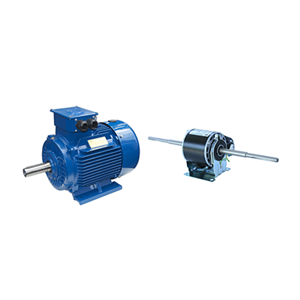
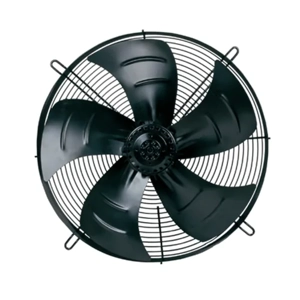
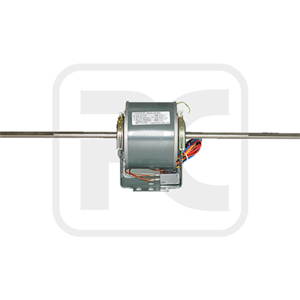
Motors For Air Handling Units And Fan Coil Units

  • Voltage : 220 - 240 V
Electric Motor

LG Copper AC Fan Motor 600 To 1400 rpm

  • Speed : 600 - 1400 rpm
  • Voltage : 110 - 480 V
  • Material : Copper
  • Brand:LG
Electric Motor

AZBIL ECM3000G910C Servo Motor Control

  • Model : ECM3000G910C
  • Attribute Set : Electric Motor_AC DC Motors
  • Brand:AZBIL
Electric Motor

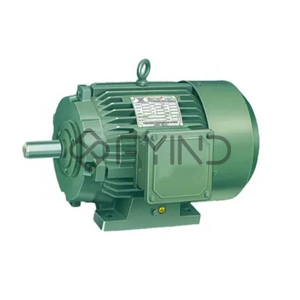
Techno Motors Industrial Electric Motor

  • Attribute Set : Electric Motor_AC DC Motors
  • Brand:TECHNO MOTORS
Electric Motor

Universal Motors

Electric Motor

Vemat Motor Type 90 440 V 50 Hz 3 kW 3 Phase 24 mm

  • Type : Type 90
  • Phase : 3 Phase
  • Power : 3 kW
  • Brand:VEMAT
Electric Motor

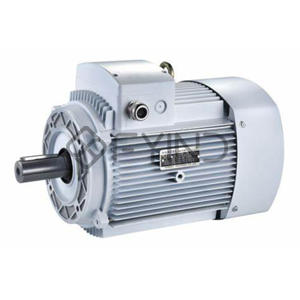
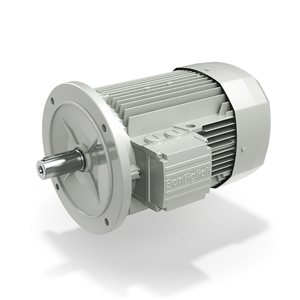
Volt Ie2 Aluminium B5 Electric Motor 0 18 Kw 2P

  • POLE : 2P
  • Type : V2EA63M2A
  • Frame : 63
  • Brand:VOLT
Electric Motor

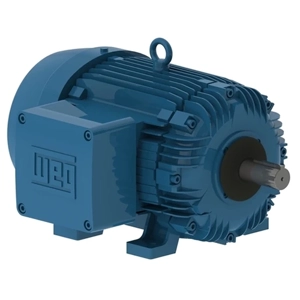
WEG W21 Explosion Proof Electric Motor NEMA MG 1 7.5 hp 900 rpm

  • Speed : 900 rpm
  • Standard : NEMA MG-1
  • Output Rating : 7.5 hp
  • Brand:WEG
Electric Motor

Python Aluminium Electric Motor, 4 Pole 4 kW, Type : PM1A112M4 PTC (B5)

  • Type : PM1A112M4 PTC (B5)
  • Speed : 1430 rpm
  • Capacity : 4 kW
  • Brand:PYTHON
Electric Motor

Air Cooler Cooling Fan Electric Motor Customized Aluminum Sell 50 Hz 2 Speed

  • Frequency : 50 Hz
  • Attribute Set : Electric Motor_AC DC Motors
Electric Motor

Electric Motor (Standard Motor Ratings Three Phase) Pole 4 Speed 1410 rev/min 075D*404

  • Code : 075D*404
  • Speed : 1410 rev/min
  • Torque : 2.5 Nm
Electric Motor

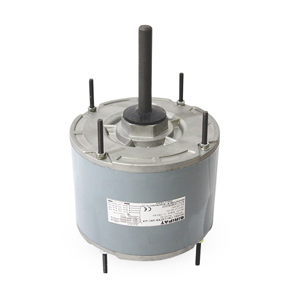
Fan Motor Siripat CB1 1/2 TXR ABC

  • Model : CB1 1/2 TXR ABC
  • Power : 1 - 2 hp
  • Volatge : 220 - 240 V
  • Brand:SIRIPAT
Electric Motor

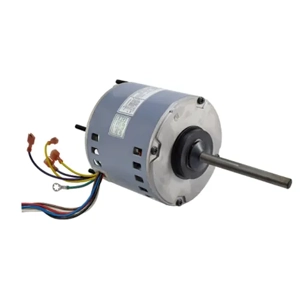
Fan Motor Fasco 230 V 60 Hz D189

  • Type : Fan Motor
  • Weight : 1.005 kg
  • Voltage : 230 V
Electric Motor

Gamak Motor 3000 11000 V 150 3000 kW

  • Power : 150 - 3000 kW
  • Voltage : 3000 - 11000 V
  • Standard : IP 55
Electric Motor

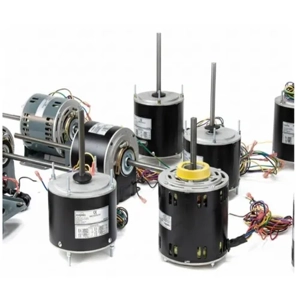
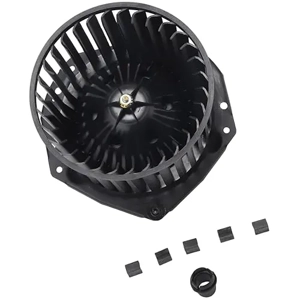
Blower Motors

  • Weight : 1.63 kg
  • Dimensions : 19.81 x 19.56 x 20.32 cm
Electric Motor

Axial Fan Motor 4 kg 32 × 32 × 18 cm

  • Speed : 1800 - 1400 rpm
  • Weight : 4 kg
  • Frequency : 50 / 60 hz
Electric Motor

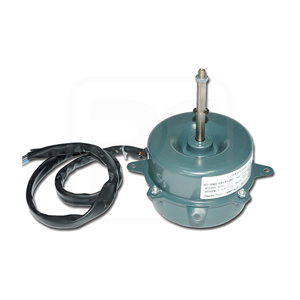
Air Conditioner Outdoor Fan Motor 6

  • Poles Count : 6
Electric Motor

Electric Motor (Standard Motor Ratings Three Phase) Pole 2 Speed 2955 rev/min

  • Code : 075U*226
  • Speed : 2955 rev/min
  • Torque : 97 Nm
Brook Industrial
Location : Sharjah
 
Electric Motor

Shaded Pole Fan Motor For Fridge And Refrigerator Item Number IS23210GEVC Rated Voltage 110 V Frequency 50/60 Hz

  • Current : 0.18 A
  • Frequency : 50/60 Hz
  • Item Number : IS-23210GEVC
Electric Motor

160 Series 2 Speed Cooling Fan Motor YDK160-185-4A

  • Power : 1/4 Hp
  • Voltage : 115 / 127 V
  • Rotation : CW-SE
  • Brand:POWER AC MOTORS

More about Electric Motor

What is an Electric Motor?

An electric motor is a device that turns electricity into movement. It works by using the power of electricity and magnets to create a spinning motion. Electric motors are used in many things, like household items, big machines, cars, and robots. They're essential because they change electrical power into the movement, we need for lots of different things in our modern world.


Types of Motors

Electric motors come in various types, each designed for specific applications and operating principles. Here are common types of electric motors

DC Motors (Direct Current):

Brushed DC Motors: Have brushes that make physical contact with the rotor, providing power.
Brushless DC Motors (BLDC): Use electronic commutation instead of brushes, reducing wear and maintenance.

AC Motors (Alternating Current):

Induction Motors: Commonly used in household appliances and industrial machinery, operating on the principle of electromagnetic induction.Synchronous Motors: Maintain synchrony with the rotating magnetic field of the stator, often used in applications requiring precise speed control.

Servo Motors:Designed for precise control of position and speed, commonly used in robotics, CNC machinery, and automation.

Stepper Motors:Move in steps or increments, making them suitable for applications requiring precise positioning, like 3D printers and CNC machines.

Linear Motors:Produce motion in a straight line rather than rotation, used in applications such as high-speed trains and some industrial processes.

Universal Motors:Can run on both AC and DC power, making them versatile and suitable for applications like power tools and small appliances.


Motor Components

Electric motors consist of various components that work together to convert electrical energy into mechanical energy.

Stator:

The stationary part of the motor.Contains coils of wire connected to the power supply, creating a magnetic field.

Rotor (Armature):

The rotating part of the motor.Placed within the stator's magnetic field.Experiences a force due to the interaction between the magnetic fields, leading to rotation.

Windings:

Coils of wire wound around the stator or rotor.Carry electric current, producing magnetic fields.

Magnets:

Permanent magnets or electromagnets create a magnetic field within the motor.Found in both the stator and rotor, depending on the motor type.

Communator (in DC Motors):

A rotary switch in DC motors that reverses the direction of current flow in the rotor windings.Enables continuous rotation.


Motor Maintenance

Motor maintenance is crucial to ensure electric motors operate optimally and have a prolonged lifespan.

  • Regular Inspections:Perform routine visual inspections to detect signs of wear, damage, or overheating.Examine for loose or damaged components, including bolts, nuts, and connectors.
  • Lubrication:Keep bearings and moving parts well-lubricated to minimize friction and prevent premature wear.Adhere to the manufacturer's guidelines regarding the type and frequency of lubrication.
  • Cleanliness:Maintain cleanliness around the motor to prevent the entry of dust and debris.Ensure that ventilation openings remain unobstructed for effective cooling.
  • Temperature Monitoring:Regularly assess motor temperatures using infrared thermometers or thermal imaging.Elevated temperatures may signal motor issues or inadequate ventilation.
  • Alignment:Confirm the proper alignment of the motor and connected equipment to prevent excessive vibrations.Misalignment can lead to premature bearing failure and other operational problems.

Motor Advancements

Motor technology has undergone significant advancements in recent years, resulting in enhanced efficiency, performance, and sustainability. Key developments include:


  • Enhanced Efficiency Designs:Contemporary motors often incorporate improved designs that boost energy efficiency, leading to reduced power consumption and operational expenses.
  • Variable Frequency Drives (VFDs):The incorporation of VFDs enables precise control over motor speed, optimizing energy utilization and facilitating applications that demand variable speeds.
  • Smart Motors:Motors equipped with embedded sensors and connectivity provide real-time monitoring, predictive maintenance, and remote diagnostics. This enhances reliability and minimizes downtime.

Popular Categories